Best Ways to Protect Wildlife and Why It Matters Today
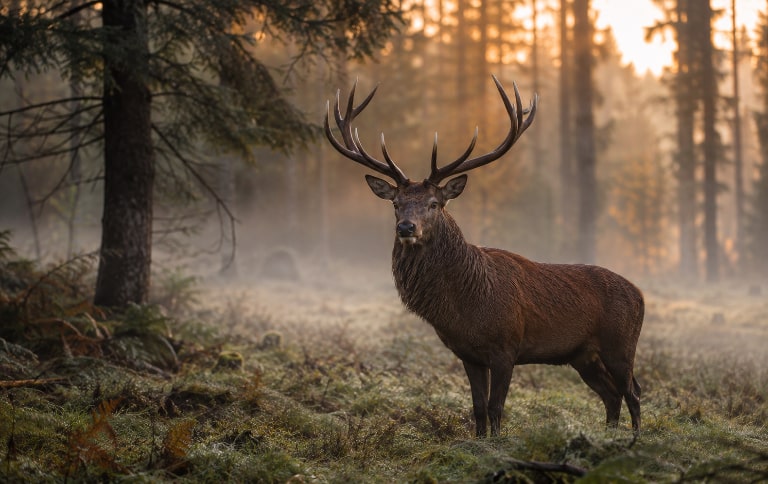
Most of us feel a quiet pull toward the natural world. Maybe it’s a fox crossing the road at dusk, or a news story about a rescued tiger far away. That feeling is worth acting on. Learning how to protect wildlife takes no science degree and no ticket to a rainforest. It begins with small, steady choices that build over time. This guide covers why protecting animals matters and the best ways to protect wildlife from exactly where you stand: at home, in your neighbourhood, and even in how you spend time online.
Why Protecting Wildlife Matters More Than We Think
When people ask why is it important to protect wildlife, they often mention beauty or feeling. Those answers count. Yet the practical reasons run deeper. Healthy animal populations hold ecosystems in balance, and those systems clean our water, pollinate our crops, and soften the blow of floods and disease. Our downtime has moved online too, from streaming nature films to unwinding with a game at rollambia casino after work, and that same digital attention can be pointed toward causes that matter. When a species vanishes, the loss rarely stops there.
Pollinators show this best. Bees, butterflies, and bats quietly support much of the food we eat. Lose them, and the shock spreads through farms, markets, and kitchens. So protecting wildlife isn’t a favour to nature. It’s an investment in the systems that feed and shelter us.
“In every walk with nature one receives far more than he seeks.” The point is simple: what we guard outdoors tends to guard us back.
Everyday Habits That Help Animals and Their Habitats
The comforting truth about conservation is how neatly it fits into ordinary days. You don’t have to change everything at once. Small actions, repeated often, carry real weight, and they carry more when friends and neighbours join in. Working out how can we protect wildlife usually starts with the choices already in front of us.
These habits make a genuine difference:
- Choose products with credible sustainability labels, especially seafood, palm oil, and timber
- Keep cats indoors or supervised to ease the pressure on birds and small mammals
- Cut back on single-use plastics that drift into rivers and oceans
- Plant native flowers and shrubs to feed local pollinators
- Skip pesticides and herbicides in gardens and shared green spaces
- Back wildlife-friendly farms through your grocery choices
None of this asks for perfection. It asks for consistency. A garden left slightly wild, a shopping habit gently tweaked, a plastic bottle turned down, these add up quietly across a whole community.
From Homes to Communities Where Real Change Begins
Personal habits matter, and collective action multiplies them. When a street, school, or town acts together, results show up quickly: restored ponds, cleaner beaches, birdsong returning. This is where many people find that the best ways to protect wildlife reach past the front door.
Shared efforts also spread the work, so no one person carries it alone. The table below shows where different actions tend to land hardest.
| Level of action | Example effort | Main benefit | Effort required |
|---|---|---|---|
| Individual | Native planting | Feeds local pollinators | Low |
| Household | Cutting plastic use | Less habitat pollution | Low |
| Community | Habitat clean-ups | Restores shared spaces | Medium |
| Regional | Wildlife corridors | Reconnects populations | High |
Local groups usually welcome newcomers, experience or not. Joining a weekend clean-up, helping with a citizen-science bird count, or speaking up at a council meeting about green space can shift outcomes more than most people expect.
“Never doubt that a small group of thoughtful, committed citizens can change the world.” Conservation keeps proving that line true.
How Our Digital Lives Shape Conservation Awareness
We live more of our lives online than ever, and that shapes how we relate to nature. Feeds surface stories of rescued animals, apps name the species we pass on a walk, and a small donation can reach a distant reserve in minutes. The screen we blame for keeping us indoors can also pull us back toward the wild.
Digital platforms steer our attention in a few steady ways:
- Viral wildlife footage builds empathy and public pressure
- Apps turn casual walks into useful biodiversity records
- Online giving lowers the barrier to funding fieldwork
- Petitions and campaigns spread faster than ever
- Communities gather around shared conservation goals
The answer isn’t to put the phone down for good. It’s to aim its reach well. A few minutes sharing a verified campaign or logging a sighting can travel far past your own doorstep.
Turning Good Intentions Into Lasting Support
Enthusiasm fades without structure. People who keep their impact going tend to build small routines instead of leaning on occasional bursts of effort. Knowing how to protect wildlife for the long haul really means designing habits you’ll actually stick with.
One easy way to stay consistent is to match your support to your own pace:
| Your available time | Suggested action | Frequency |
|---|---|---|
| A few minutes | Share or verify a campaign | Weekly |
| An hour | Join a local clean-up | Monthly |
| A weekend | Volunteer with a reserve | Seasonally |
| Ongoing | Set up a small recurring donation | Yearly |
Pick one row and begin there. Momentum grows from something you can manage, not from a plan that overwhelms you.
Protecting animals is a long relationship, not one grand gesture. The best ways to protect wildlife are the ones you can repeat without burning out: a habit here, a donation there, a voice raised when it counts. Start small, stay steady, and let your everyday choices speak for the creatures that can’t speak for themselves.